A handful of self-hosted apps, built one at a time — human-led, AI-accelerated and embedded — and used every day. Not shipped to an app store, just running quietly on a home server.
A senior product and technology leader driving the shift that matters most in the AI era: transforming engineers into product builders.
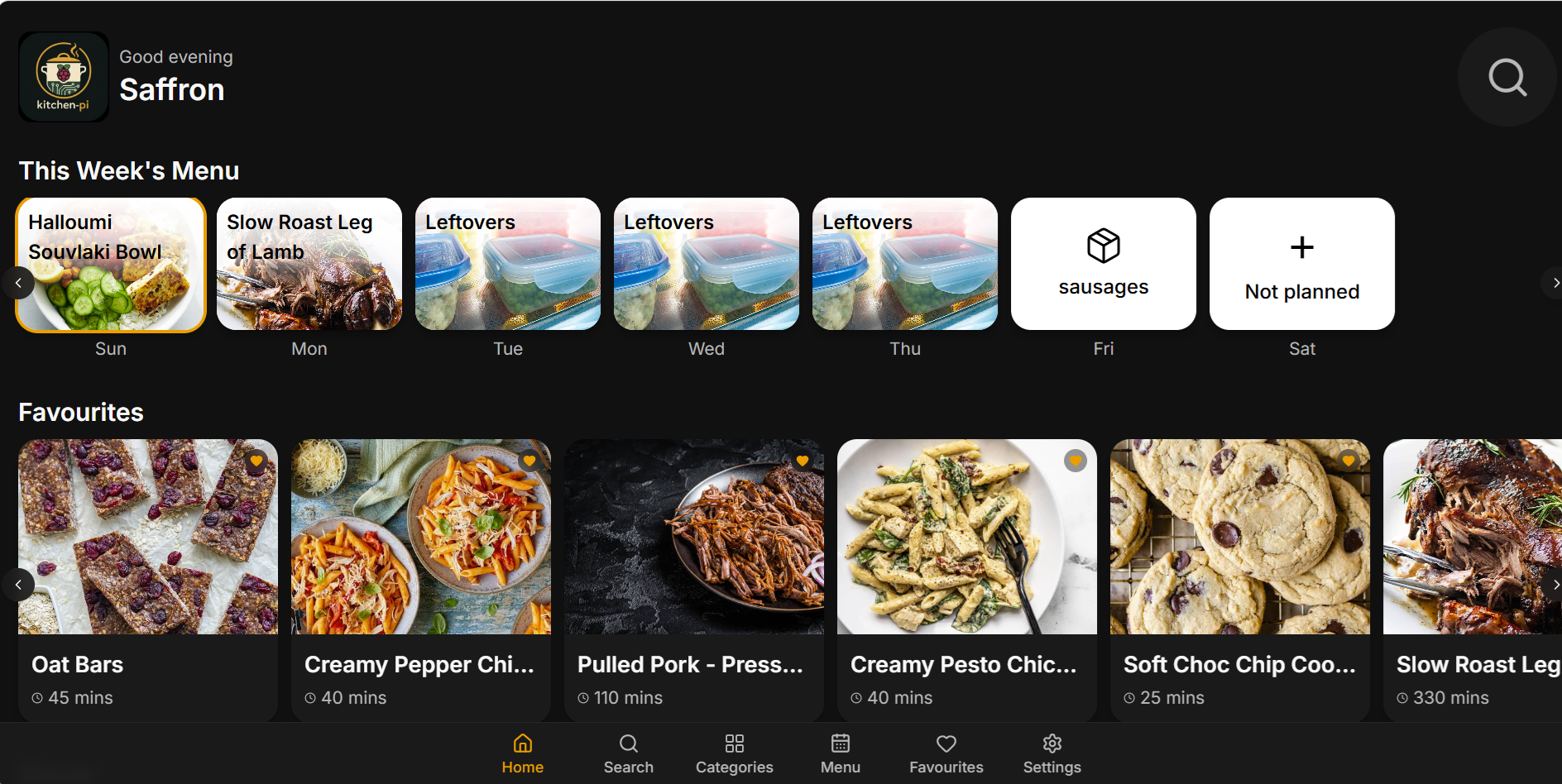
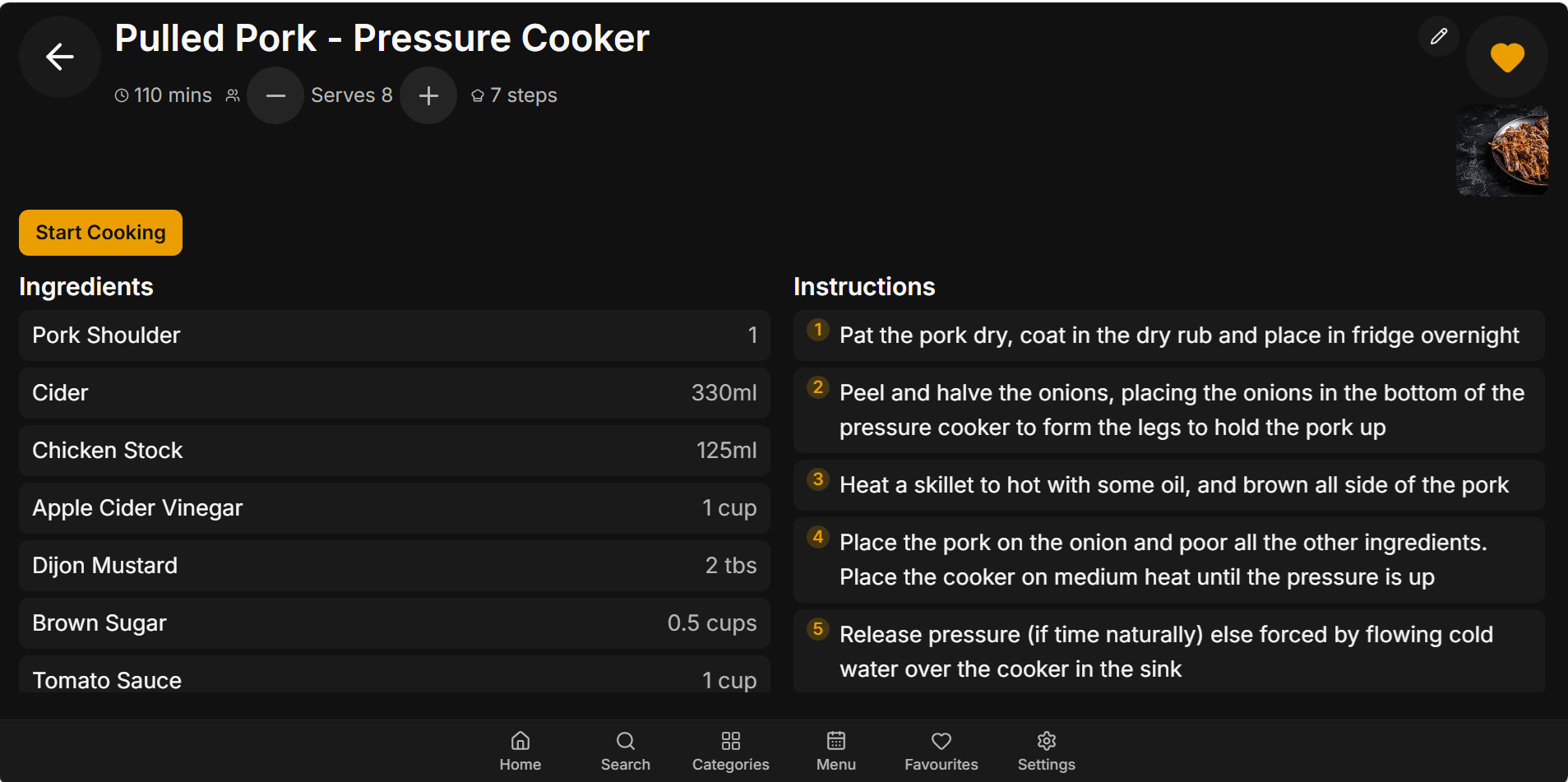
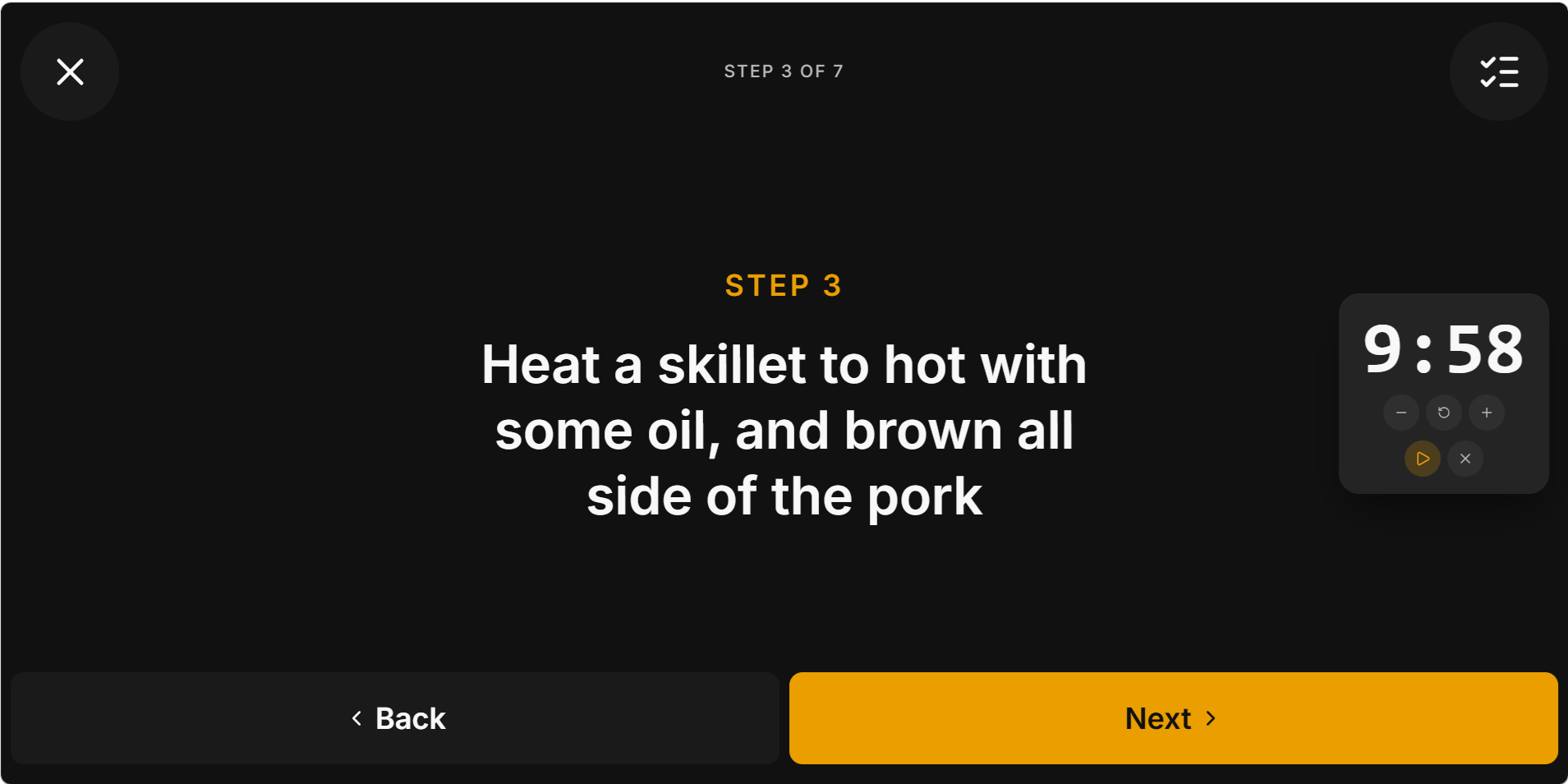
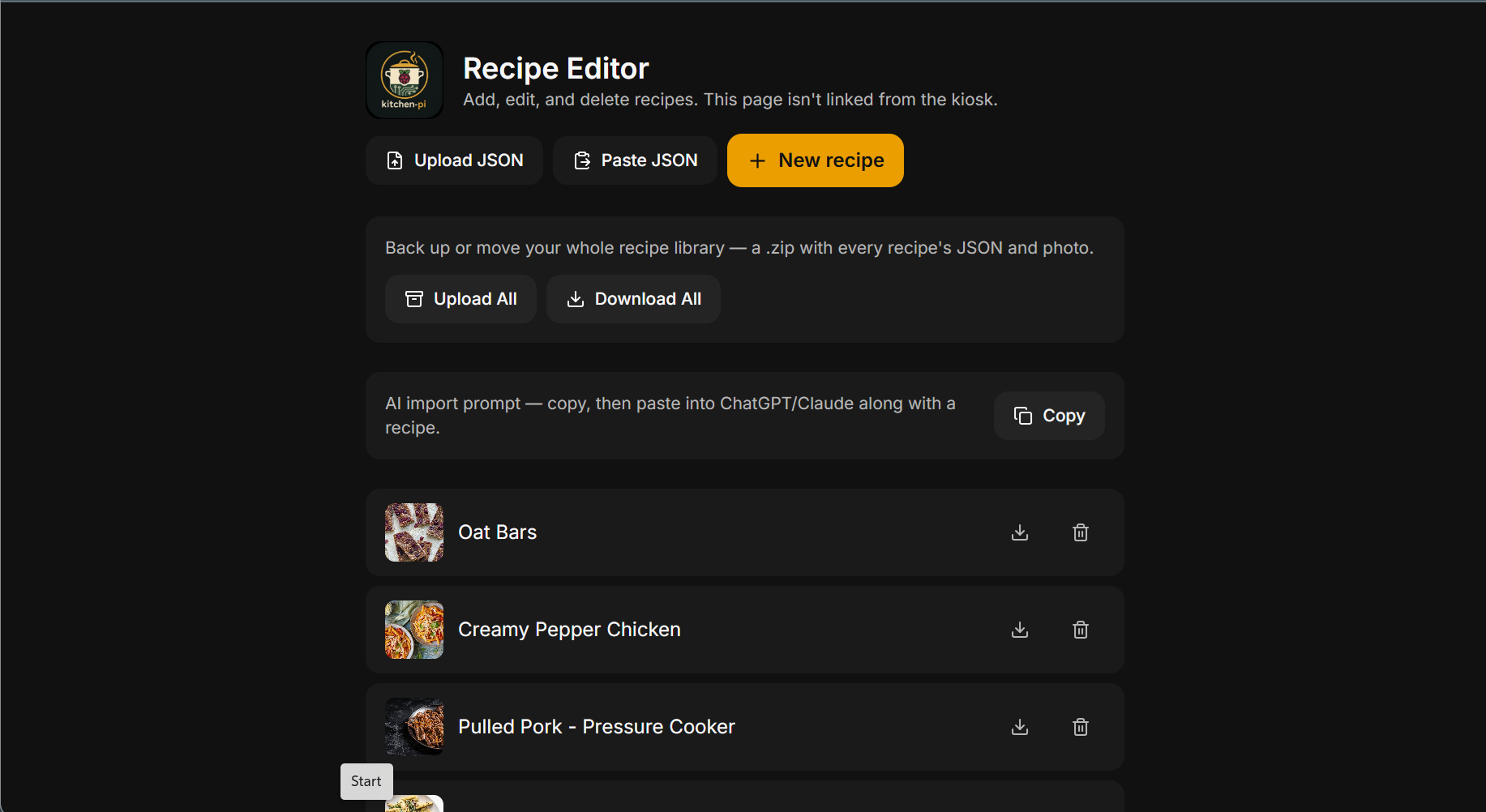
pragilist.com →Kitchen-Pi (branded Saffron on the device itself) turns a Raspberry Pi 4 and touchscreen into a dedicated kitchen recipe display — kiosk-mode Chromium with no browser chrome and no desktop ever exposed, built to feel like a premium appliance rather than a tablet running a webpage.
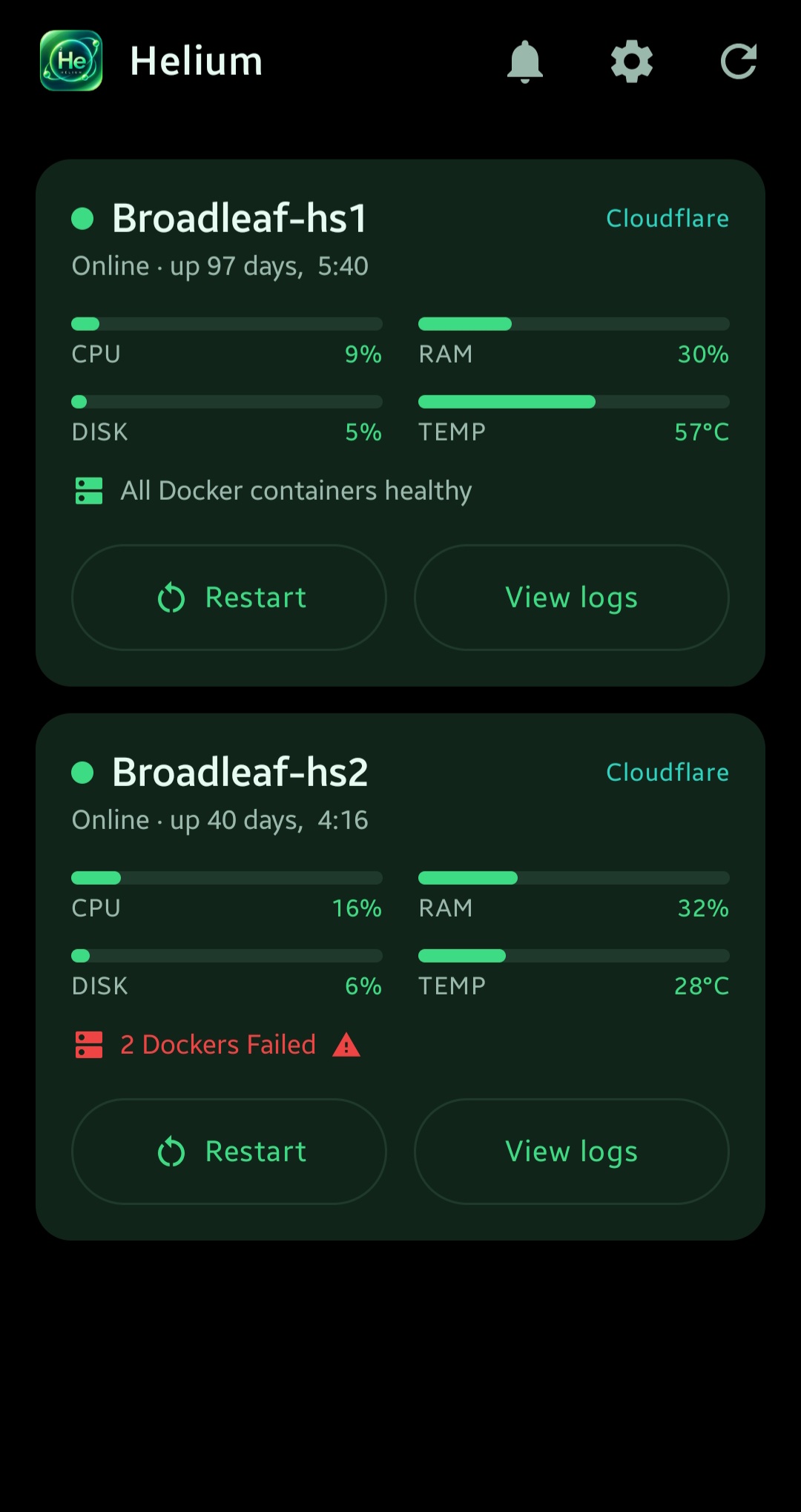
Helium is a native Android app that gives instant visibility and control over a personal homelab. It SSHes directly into each server — no agent to deploy or maintain — and surfaces uptime, resource use and Docker health in the two seconds it takes to open the app, with one-tap restarts and log viewing when something needs attention.

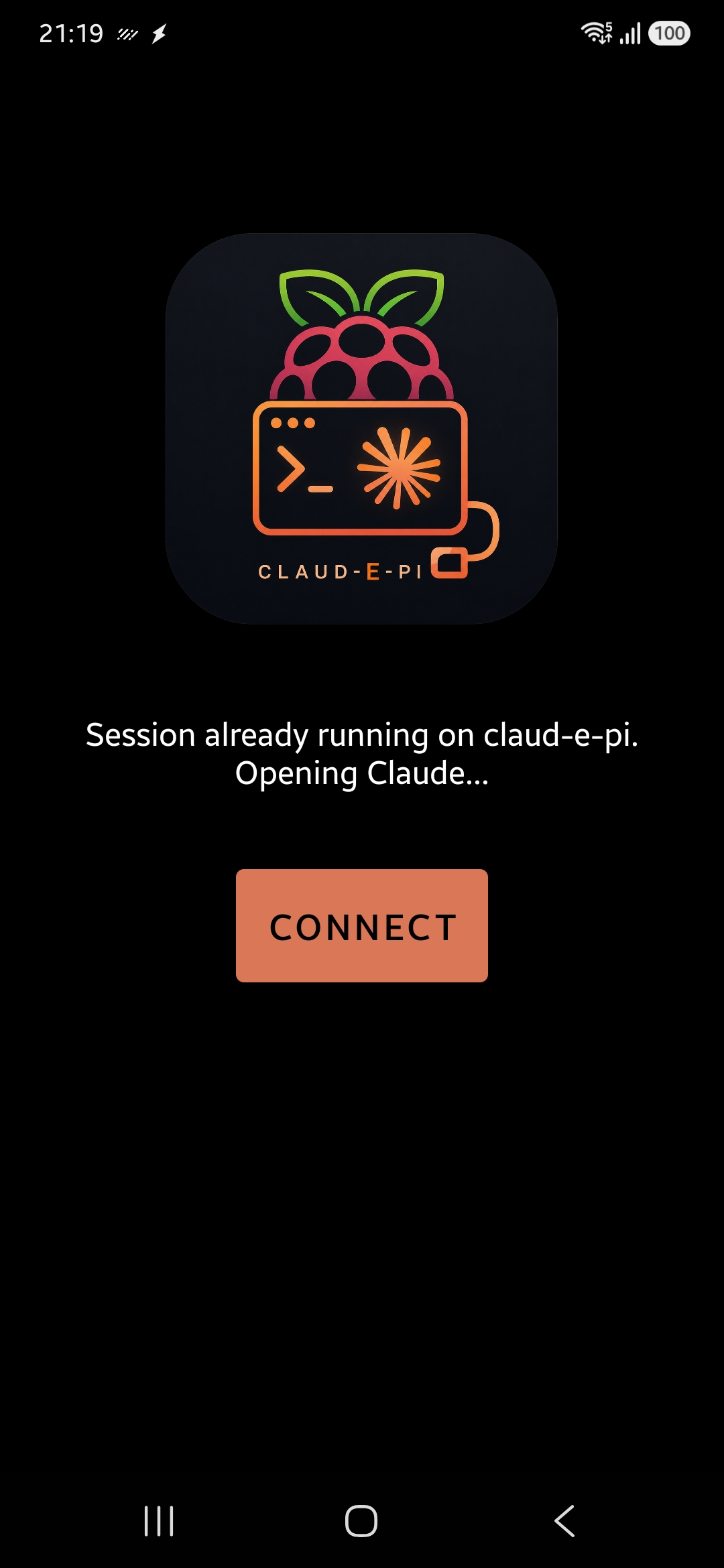
Claud-e-Pi turns a Raspberry Pi 4 into a mobile-reachable Claude Code development box. It boots and runs entirely from a USB SSD, stays reachable from anywhere over Tailscale SSH, and ships with Docker, a general dev toolchain and the Claude Code CLI pre-installed. A one-tap Android companion app finds the Pi, starts or resumes a Claude Code session in tmux, and hands straight off into the Claude app.

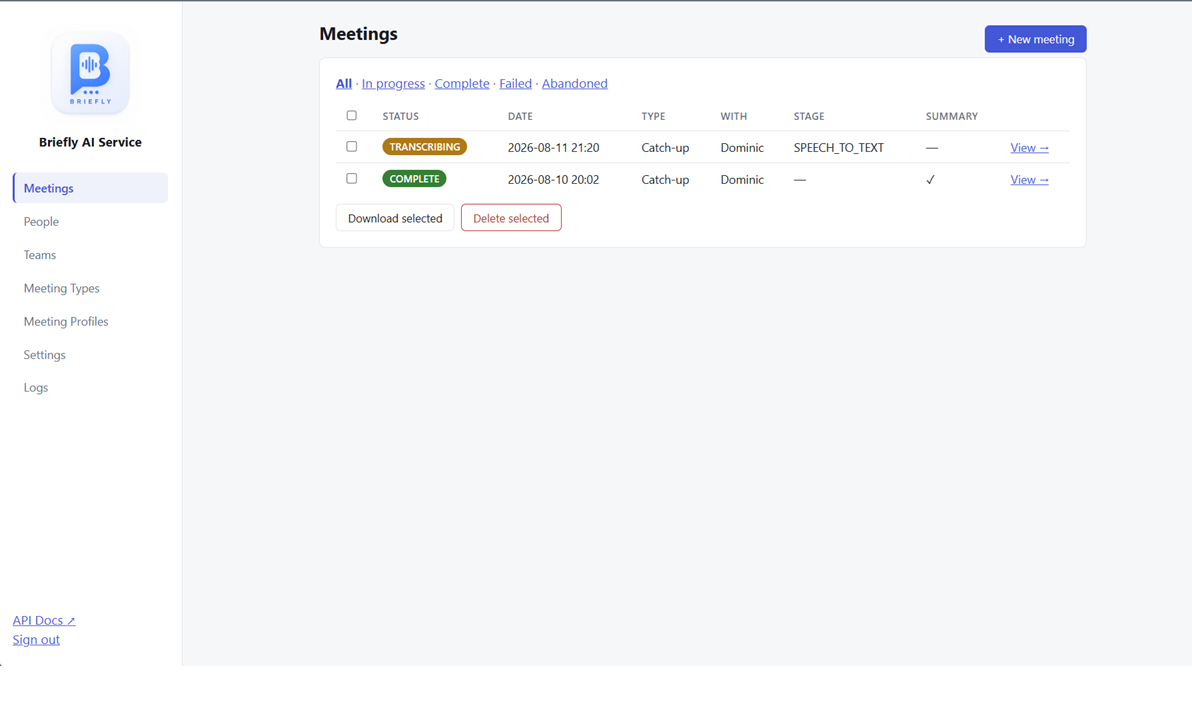
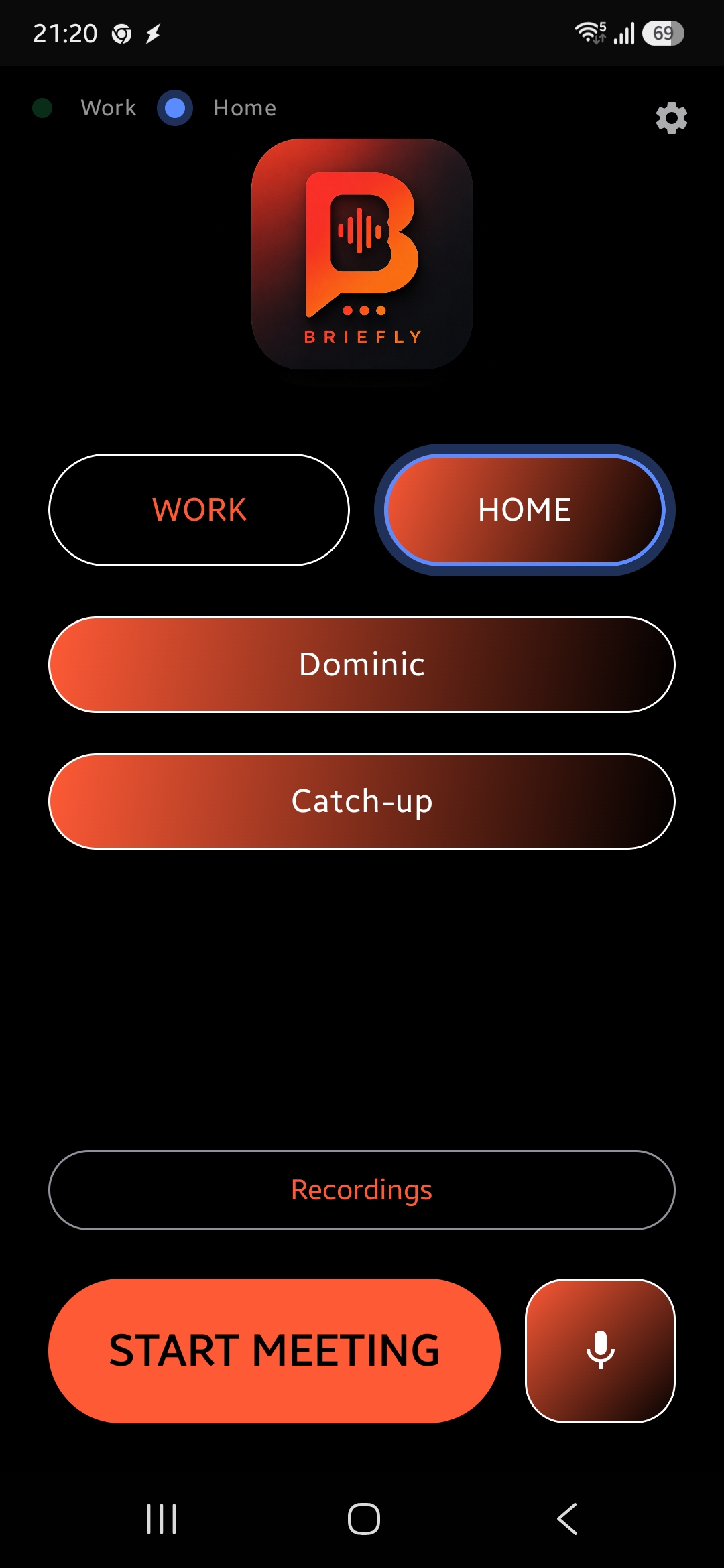
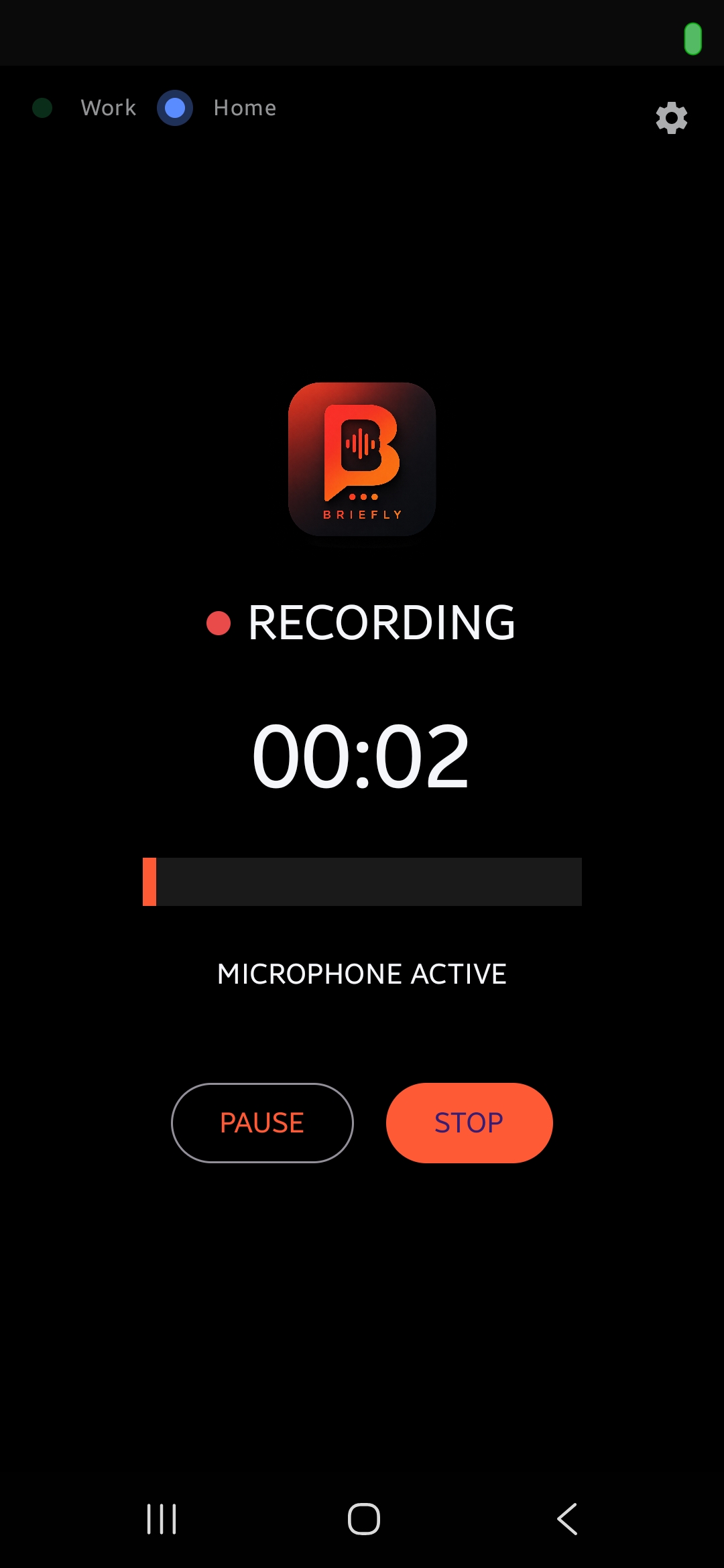
Briefly is an AI meeting-capture appliance: an Android device set up as a dedicated recorder, backed by a self-hosted Docker stack that transcribes, diarises and analyses every meeting, then routes the structured results straight to the tools the work already lives in.


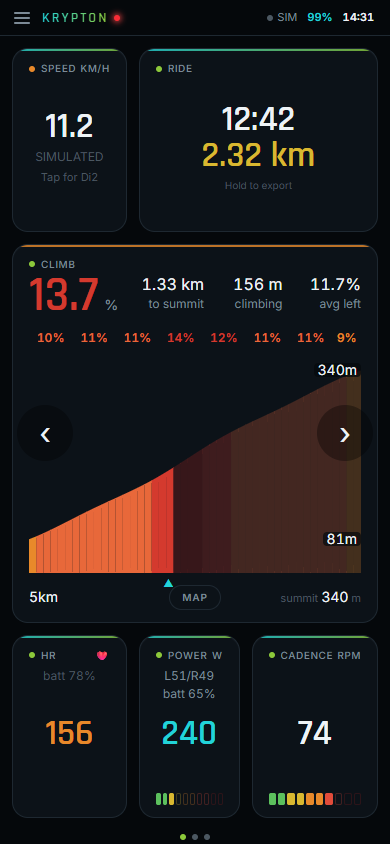
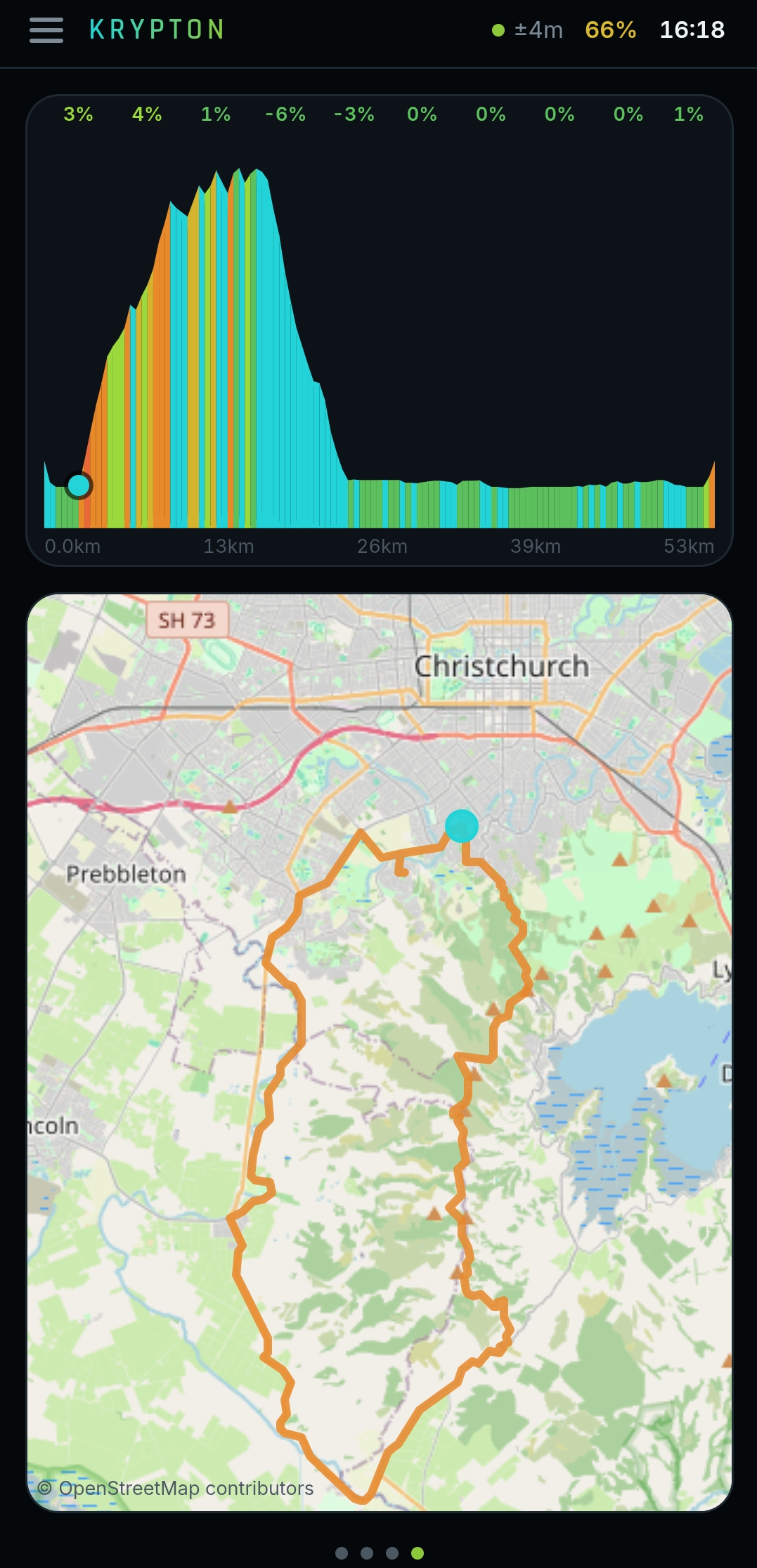
Krypton is an installable phone app that turns any Android phone into a Garmin/Wahoo-style cycling computer. It pairs directly with Bluetooth heart rate, power and cadence sensors — plus Shimano Di2 for a live gear readout — and its signature feature detects climbs dynamically from your live position and heading, with no route required. In daily use as a personal bike computer.


Pi Launch Factory turns a single markdown spec into a complete product launch package in minutes. Describe a product idea — audience, features, tone — and it extracts the important bits automatically, then generates a full launch package around it: brand identity, colour palette and typography, marketing copy, a website, images and device mockups.
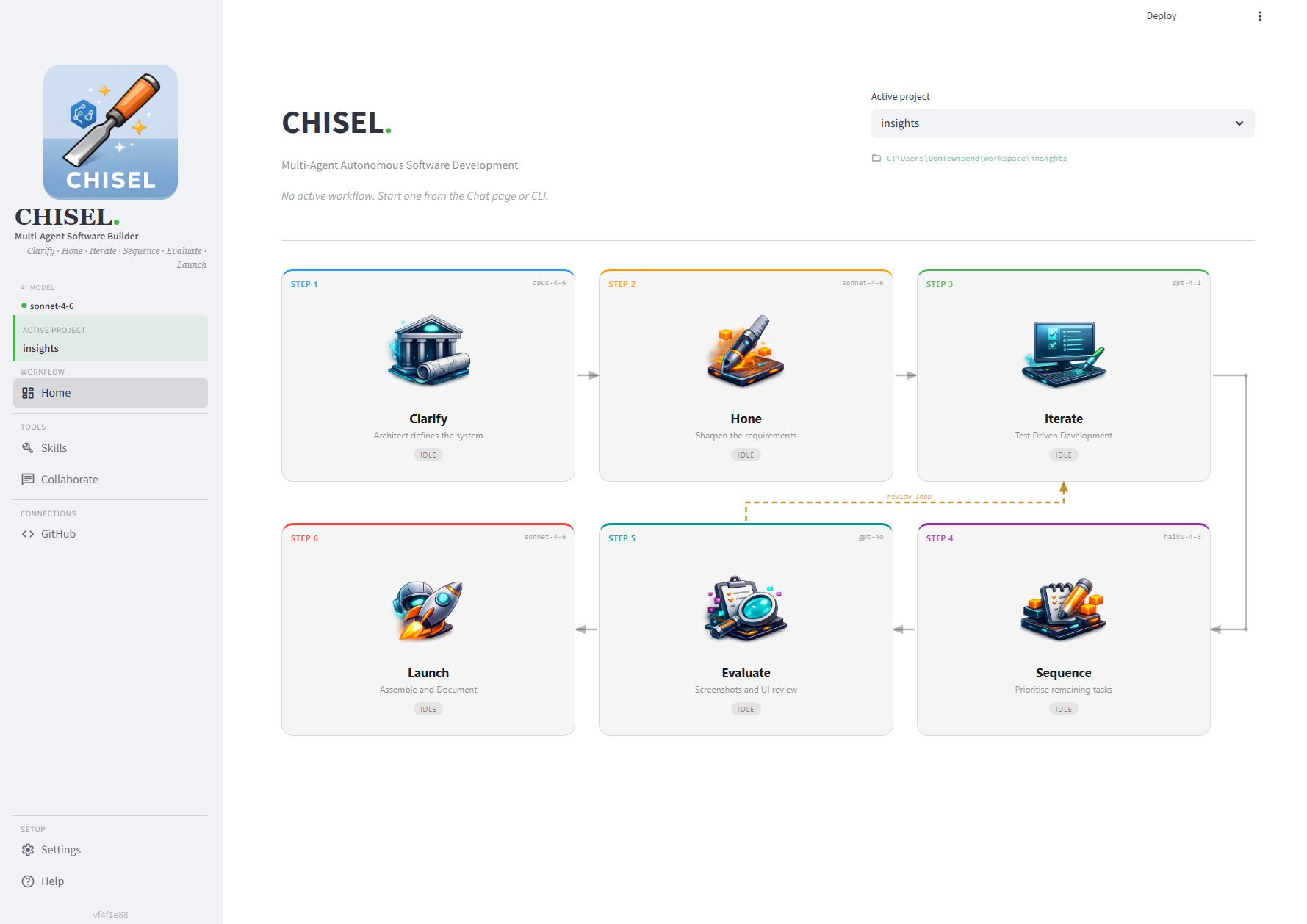
A six-phase multi-agent pipeline that turns a plain-English goal into a working, tested codebase. A different specialised Claude agent handles each phase — from eliminating ambiguity through to a final, documented delivery — and you can step in and review between any of them.
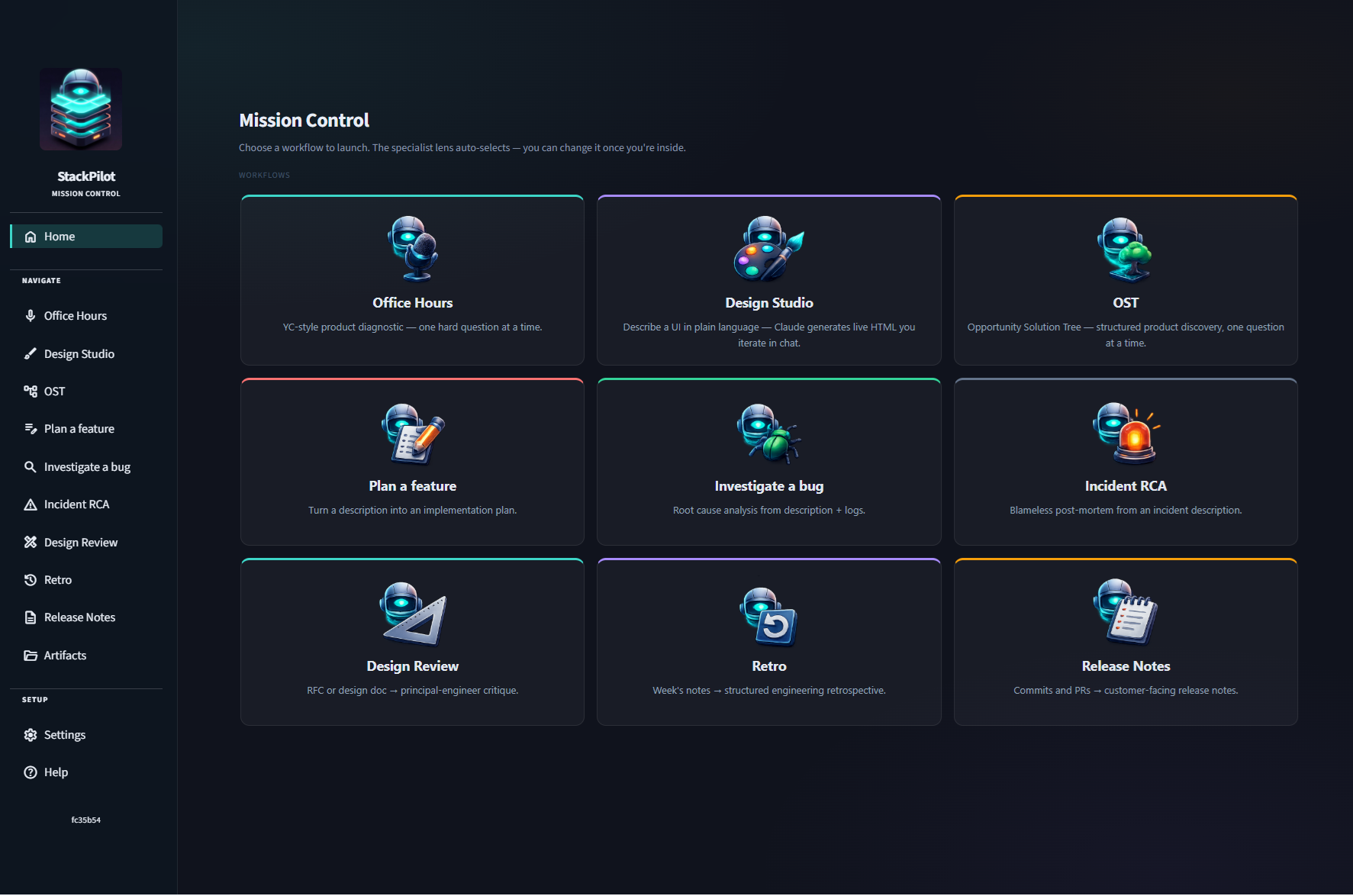
A mission-control dashboard wrapping a dozen structured engineering and product workflows — review a branch, plan a feature, investigate a bug, write release notes, run an incident post-mortem, and more. Each one starts as a form, then drops you into a live chat to refine the output before saving it as an artifact.


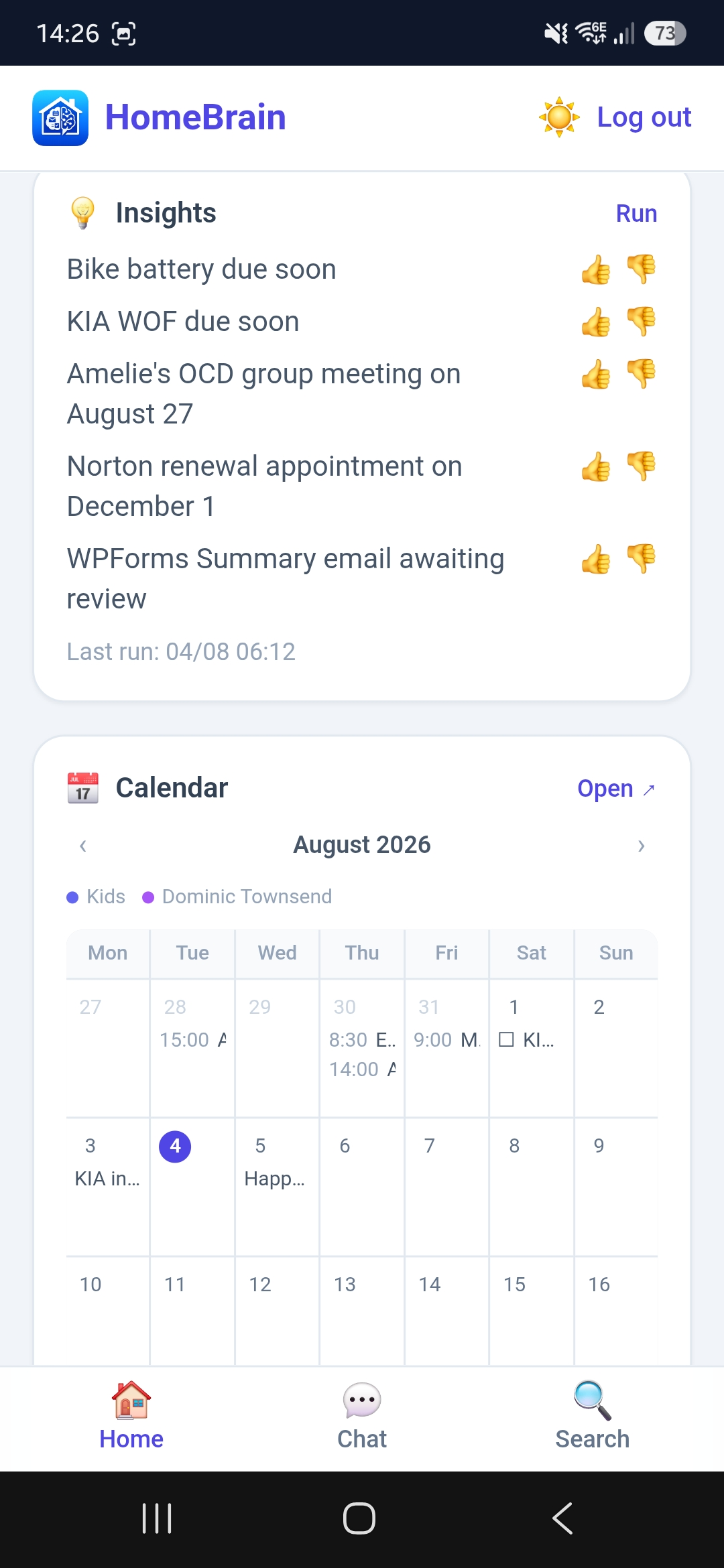
HomeBrain connects a private, locally-run LLM (via Ollama) to your own email, calendar, notes and to-dos through a modular tool framework — the AI never touches anything directly, it only ever calls a Tool. Everything runs on your own server, with nothing sent anywhere unless you choose to add a cloud provider.
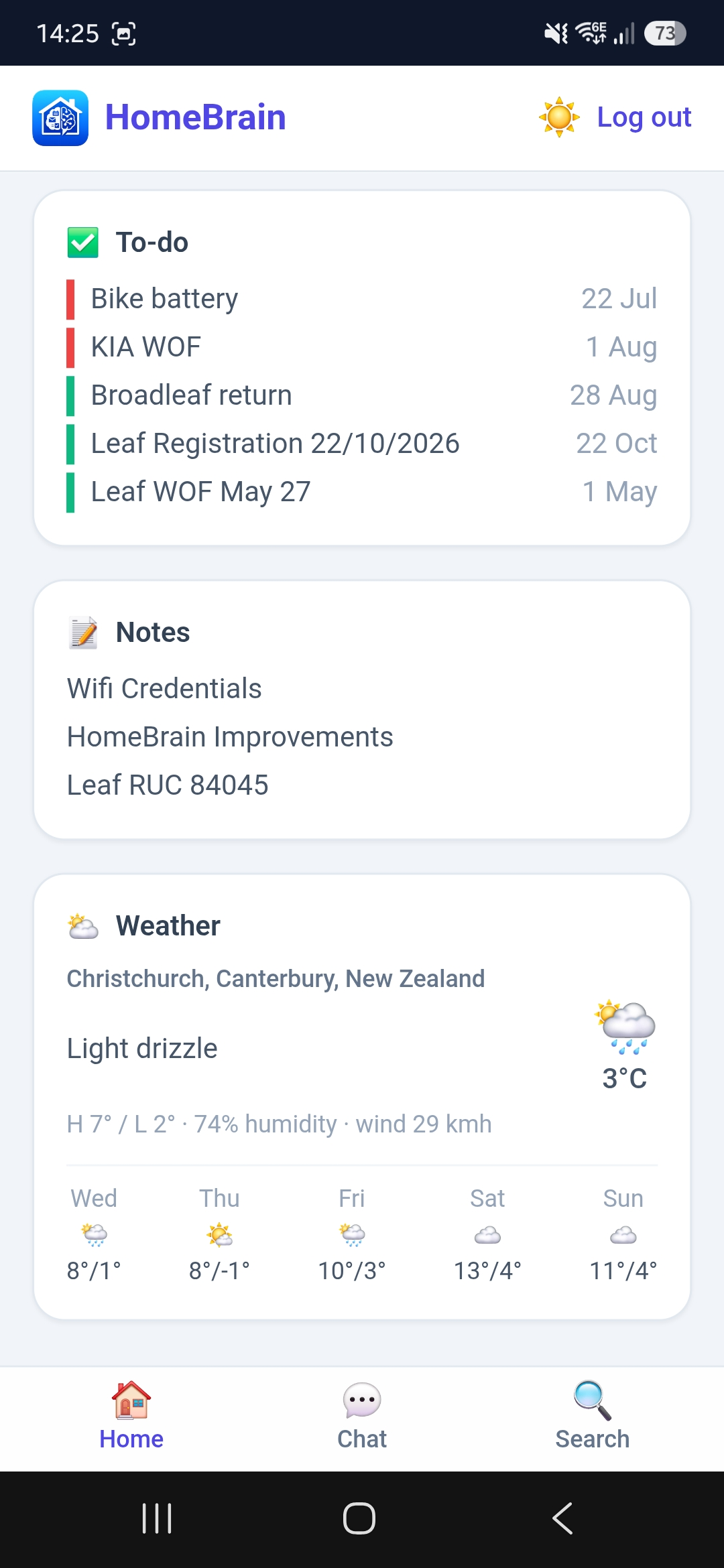
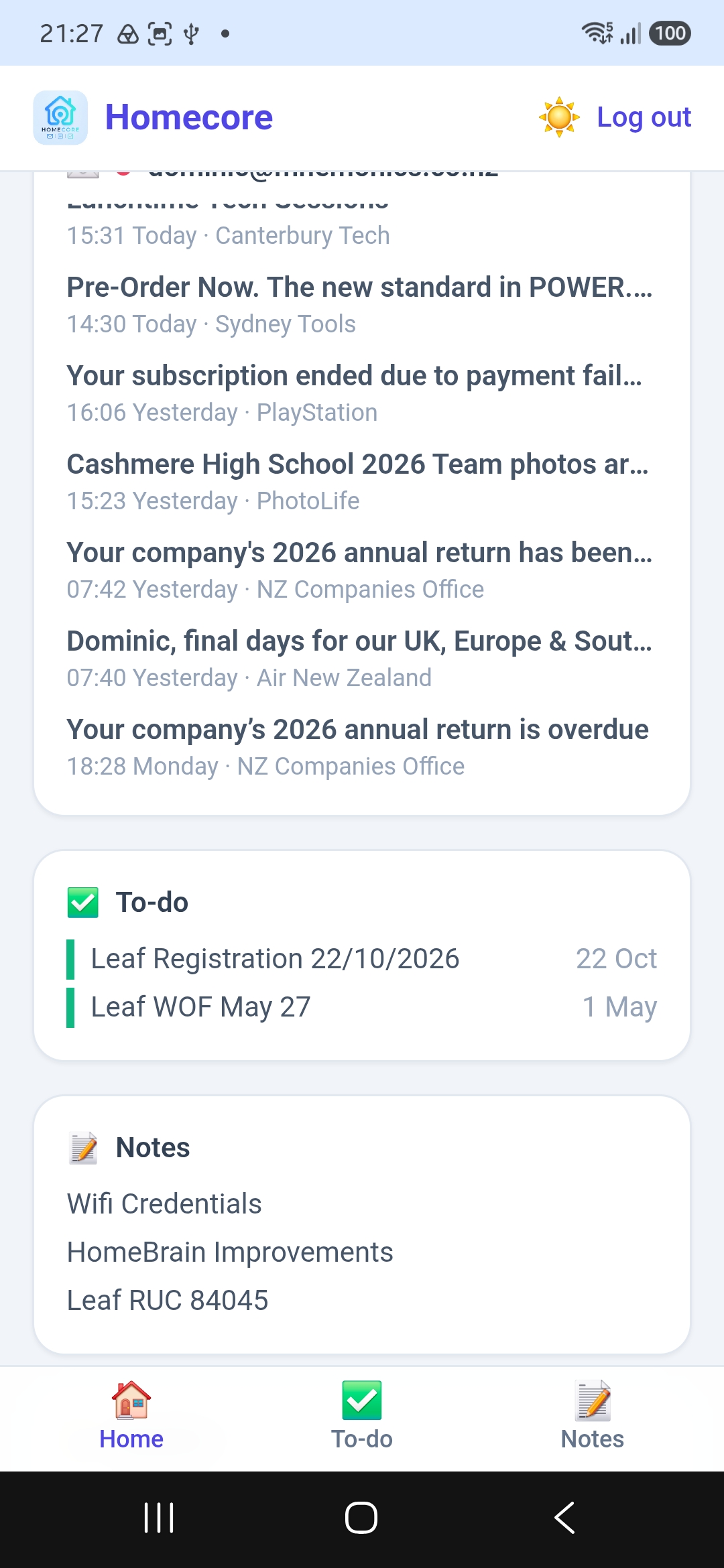
Homecore is a private, self-hosted home dashboard: calendar, email, to-do and notes in one mobile-first PWA. No AI, no LLM, no cloud service beyond the ones already in use — just a fast, single-screen view of the day, backed by a self-hosted Node.js and SQLite server.

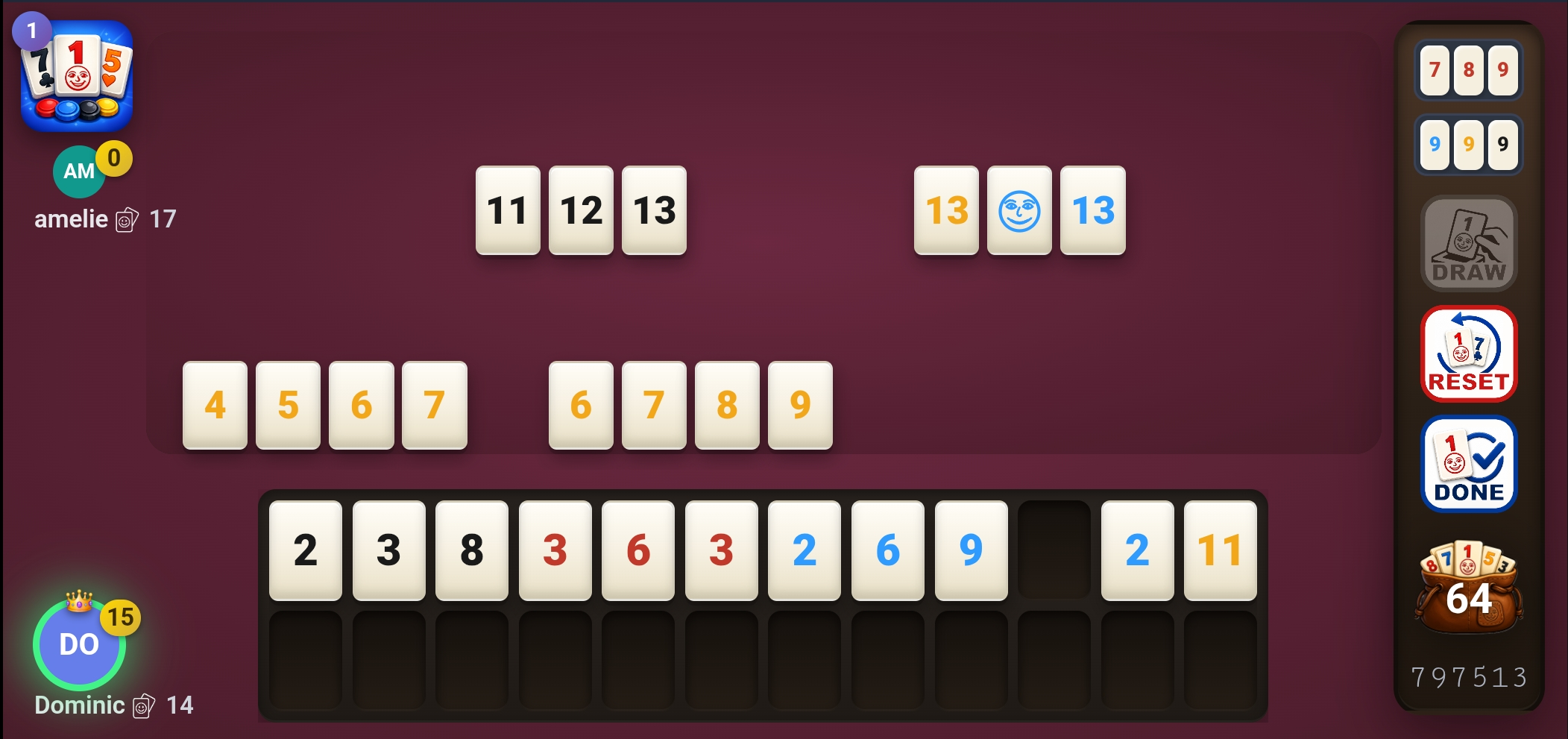
A private, browser-based Rummikub table for 2–4 players. No app store, no accounts beyond a game code and an email address, no AI players and no turn timer forcing your hand — just a private table that's always there for you and your friends, on any device with a browser.
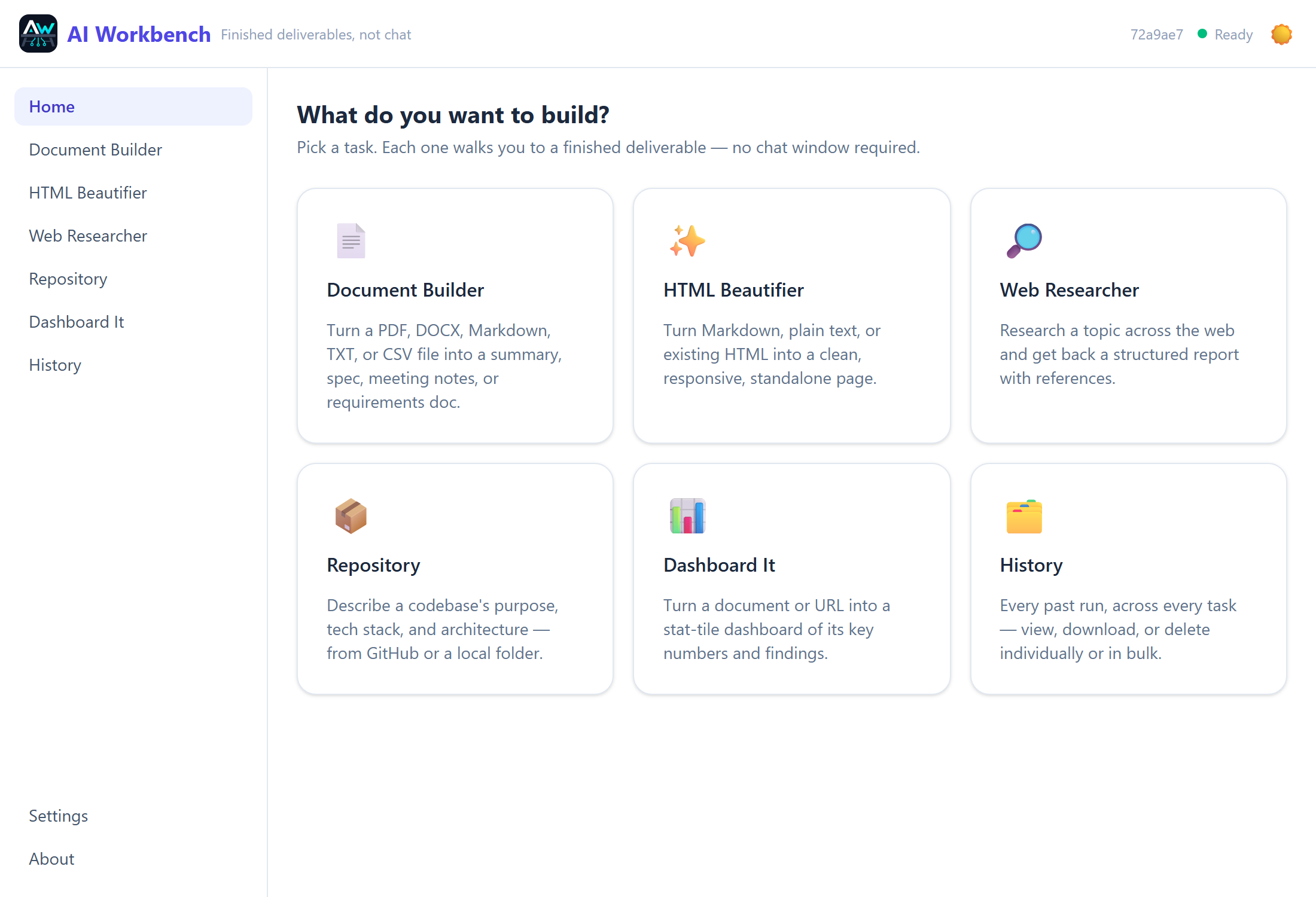
A local-first, task-driven AI assistant for knowledge work. Instead of an open-ended chat window, you pick a task and it walks you straight to a finished deliverable — backed by a shared, self-hosted Ollama model.
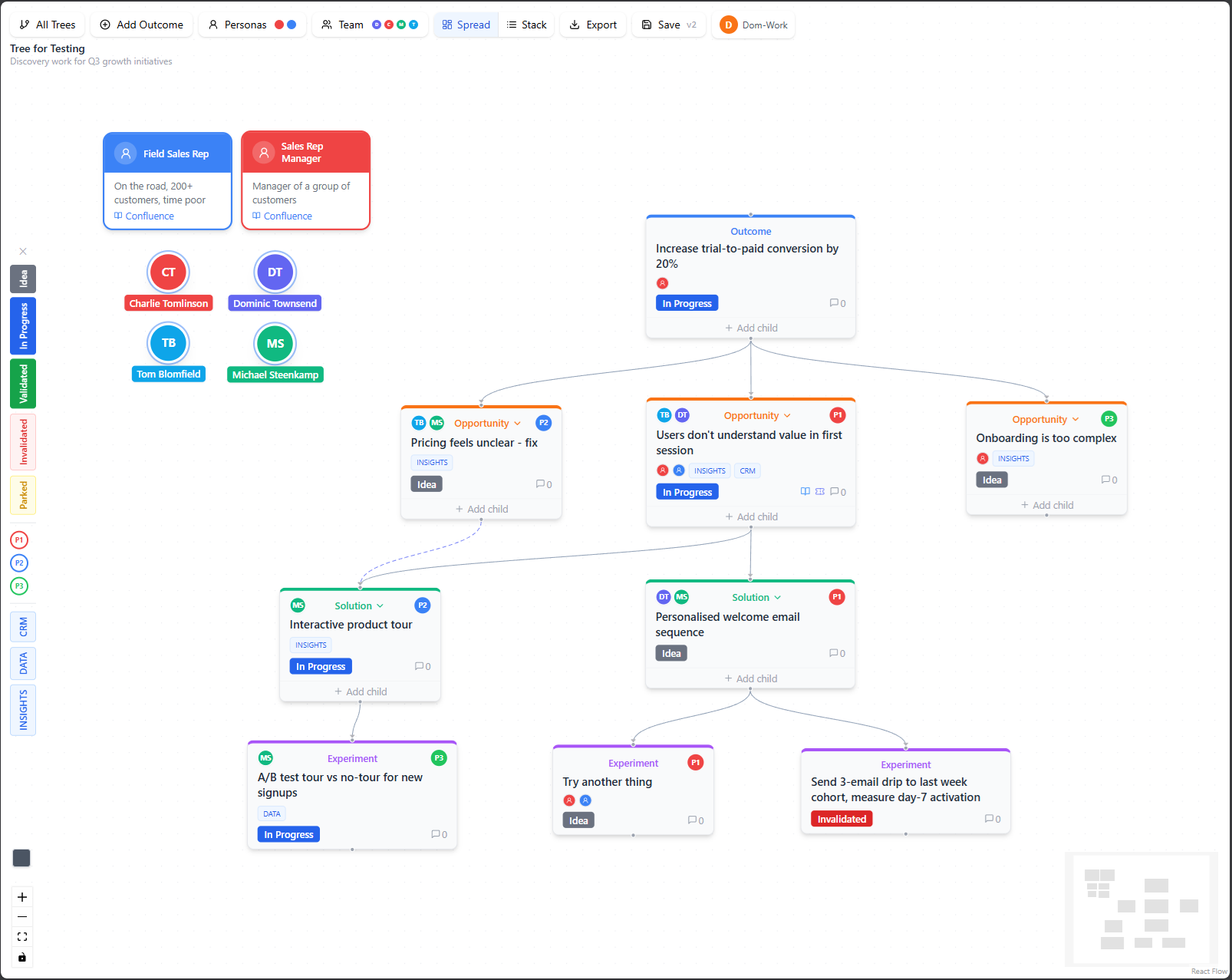
A collaborative canvas for building and exploring Opportunity Solution Trees — linking desired outcomes to opportunities, solutions and experiments, with everyone's changes syncing live.
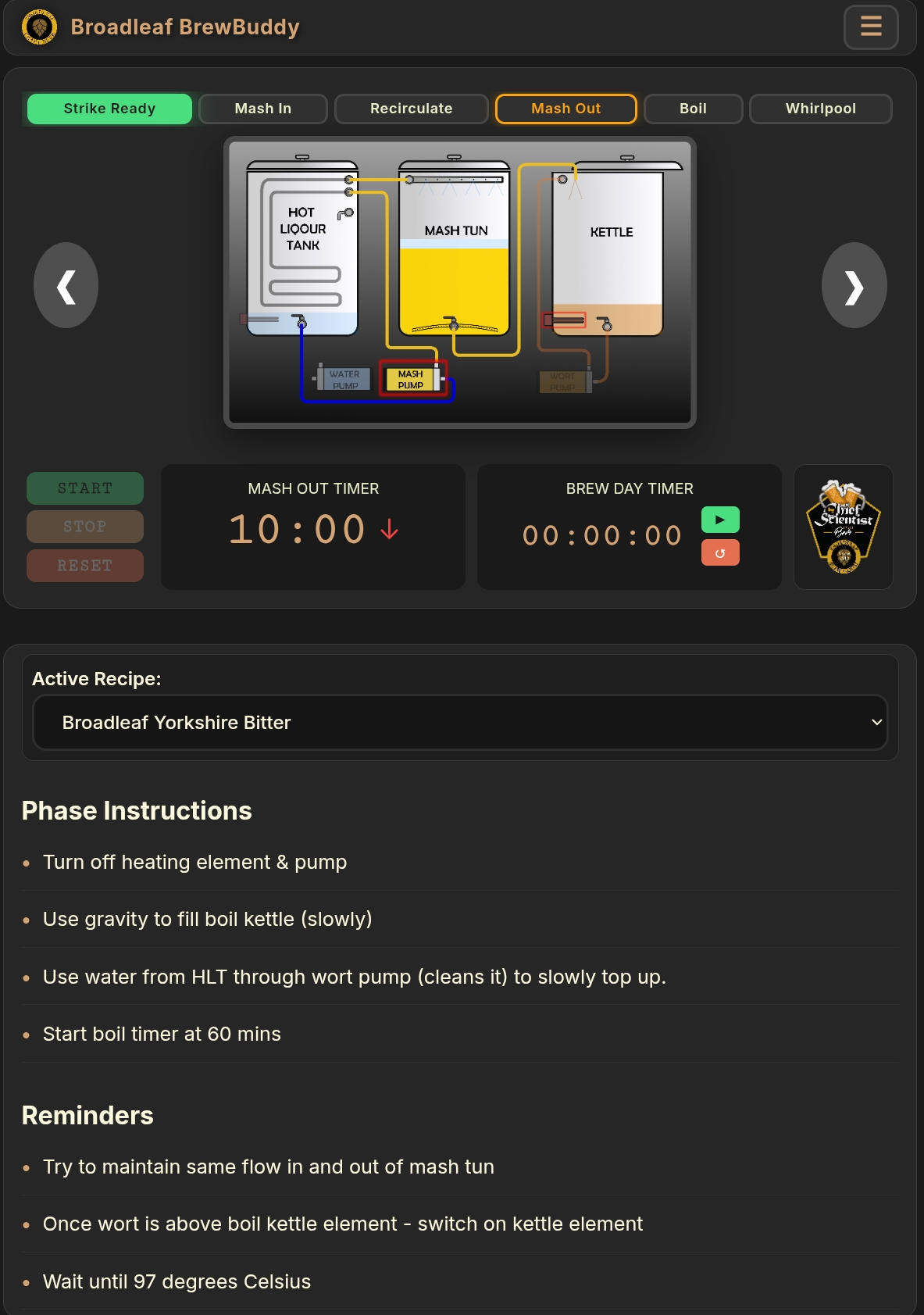
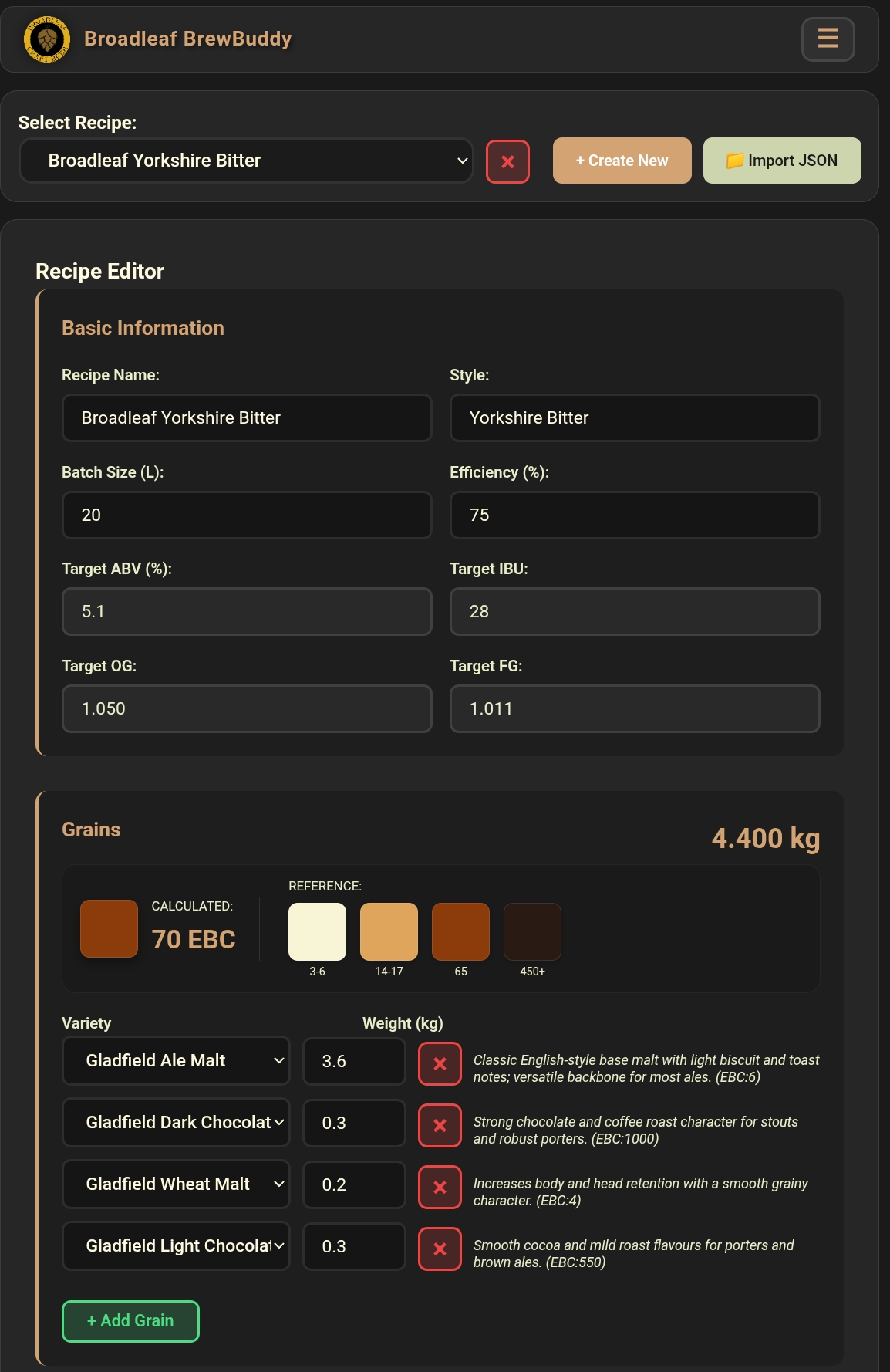
Manages brew day operations, recipe building and ingredient tracking for home brewers — a visual, phase-by-phase guide with live timers, alerts, and a diagram of the equipment in play.
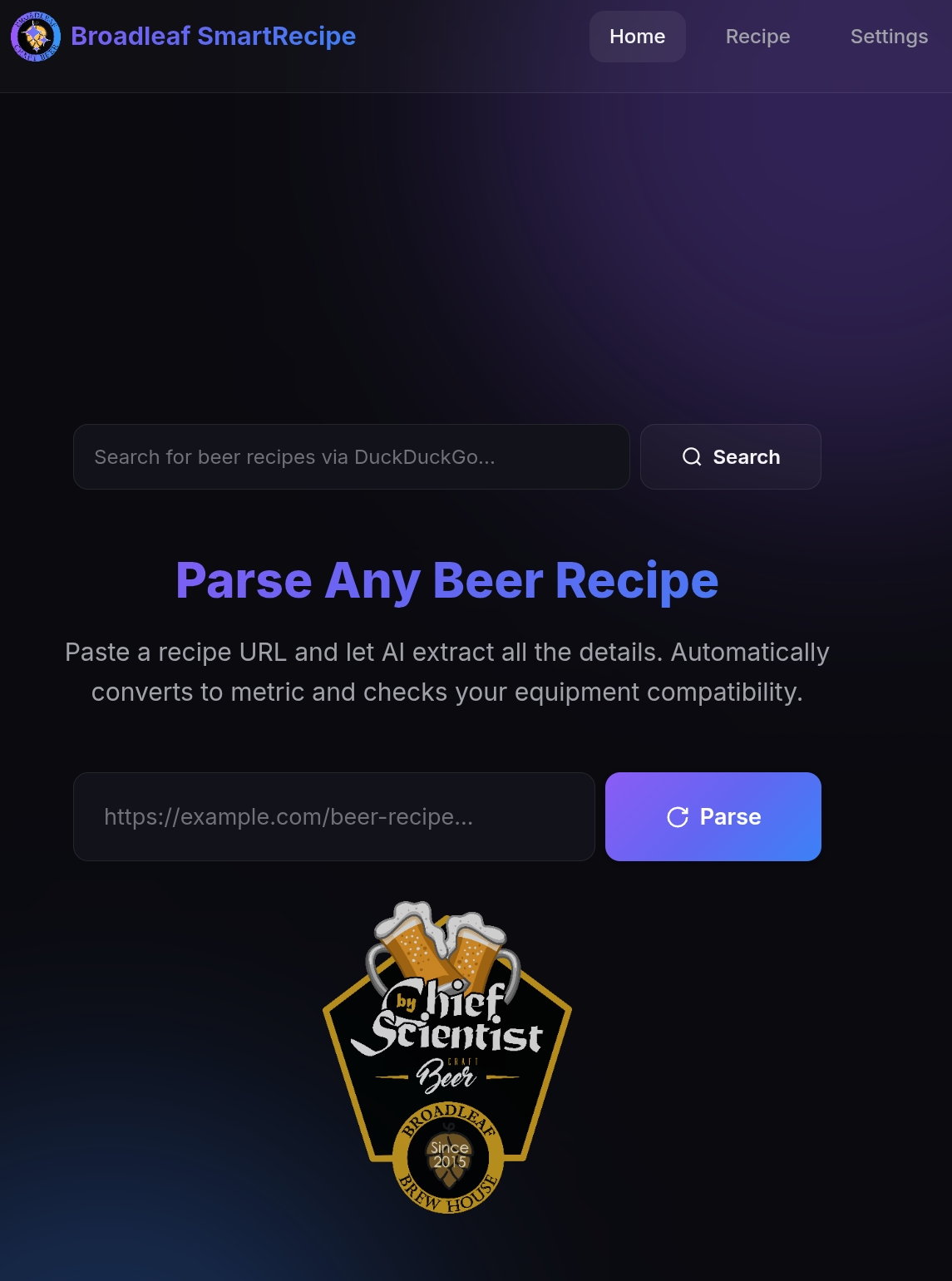
An AI-powered companion to BrewBuddy: paste any beer recipe URL and it pulls out structured, editable data — converting imperial to metric, checking it against your equipment's limits, and suggesting locally available ingredient substitutions — then exports straight into BrewBuddy as a ready-to-brew recipe.

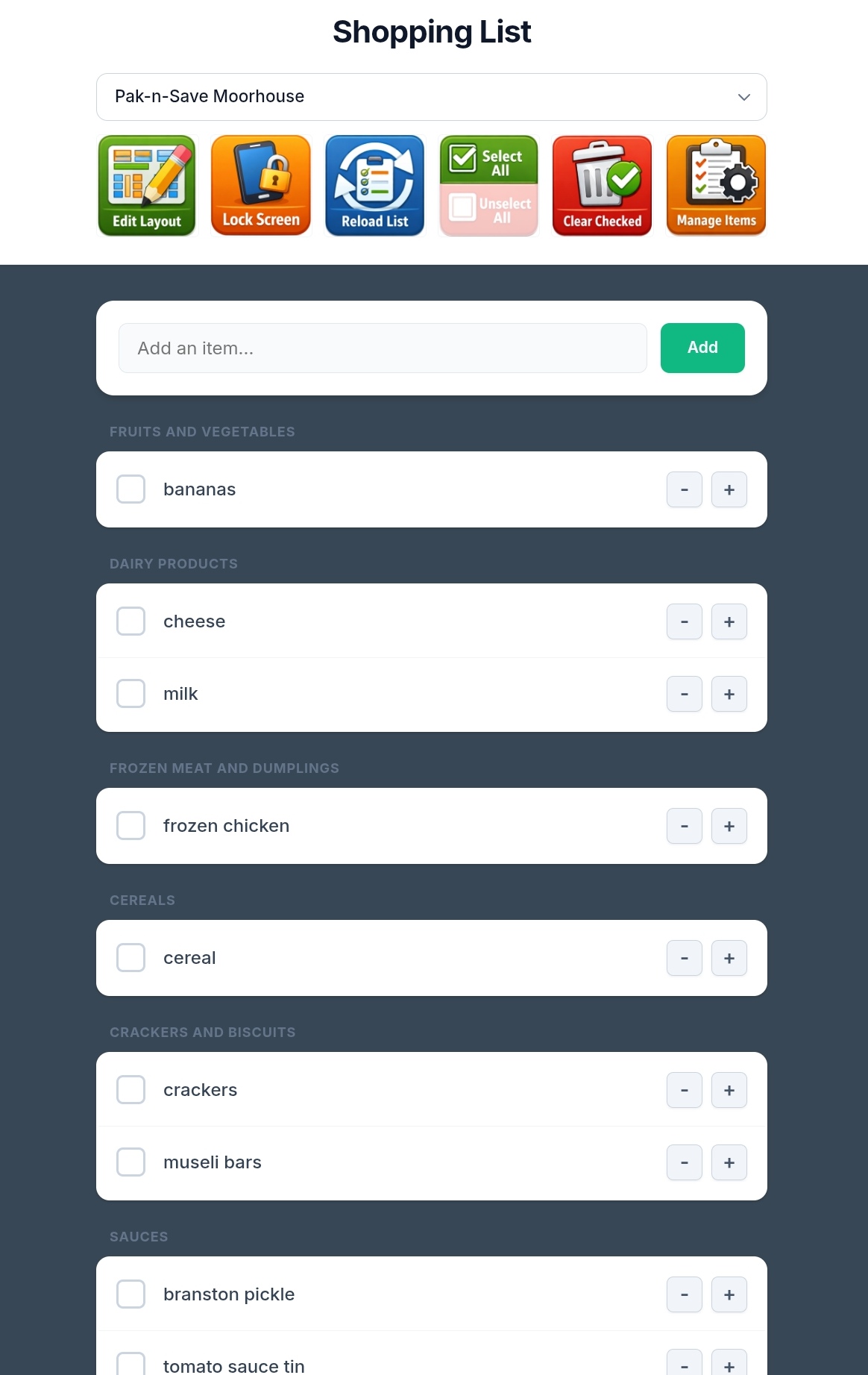
A shared household shopping list that reorders itself to match whichever supermarket you're heading to. Pick a shop and the list re-sorts to its aisle order — drag-and-drop editable per shop, so it keeps learning the layout instead of guessing at it every time.